What Is an
Avionics Technician?
Behind every modern aircraft is a complex network of electronic systems and aircraft wiring that helps the aircraft navigate, communicate, display critical flight information and operate safely.
Avionics technicians are the skilled professionals who install, wire, test, troubleshoot, repair and maintain these systems.
The Electronic Side of Aviation
Avionics combines aviation and electronics. It includes aircraft wiring and many of the electronic systems pilots and aircraft operators depend on for navigation, communication, flight information, monitoring and control.
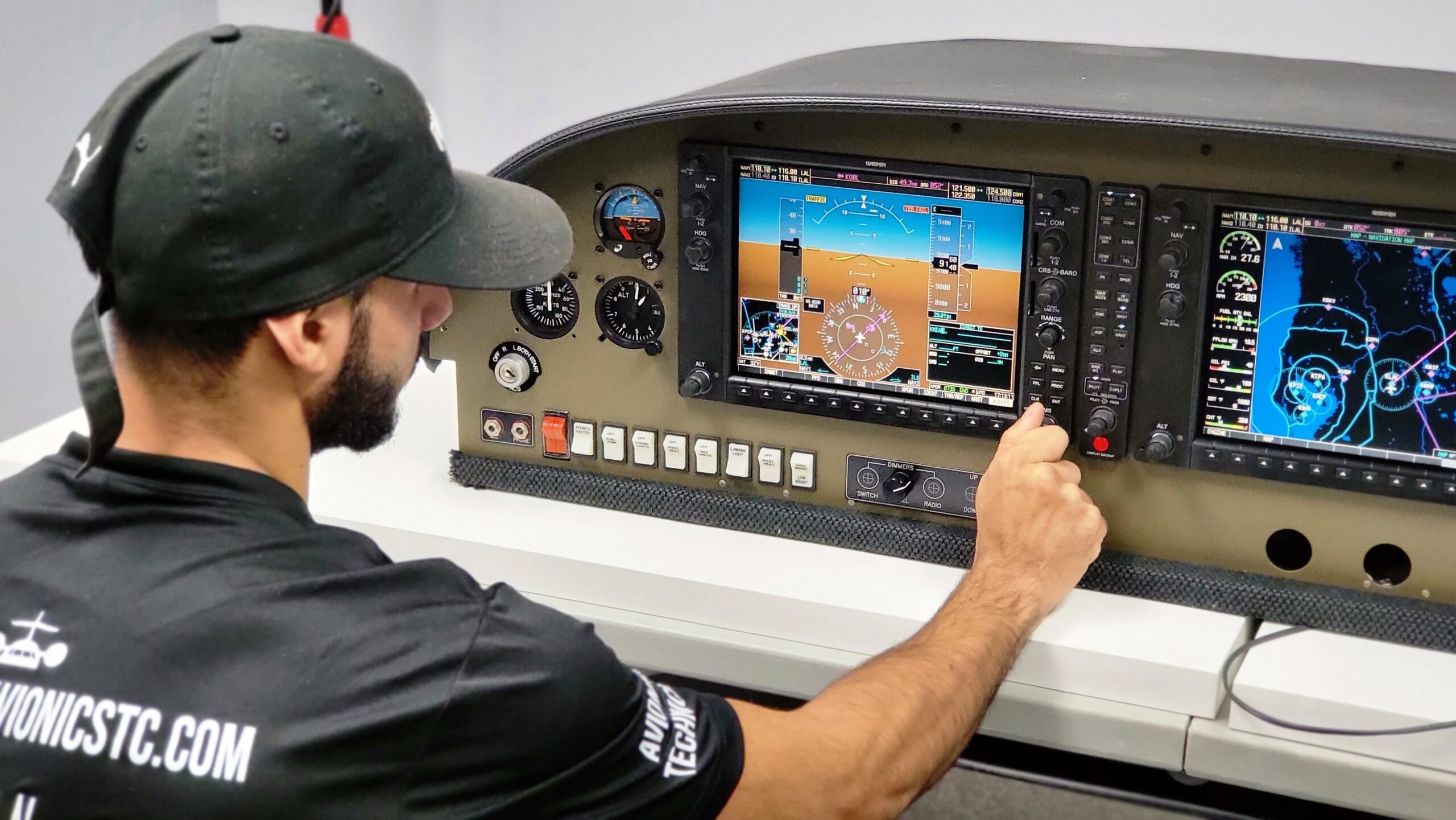
Think of Avionics as the Aircraft's Electronic Nervous System.
Modern aircraft depend on extensive wiring, sensors, computers, electronic units, displays and avionics equipment to send information and commands throughout the aircraft.
Avionics technicians work directly with this electronic network. Their work can include reading wiring diagrams and schematics, fabricating wiring harnesses, routing and securing aircraft wiring, terminating wires and connectors, installing avionics equipment, testing circuits and troubleshooting electrical and electronic faults.
They also verify that installed equipment communicates and operates correctly with other aircraft systems. This work plays an important role in aircraft safety, reliability and operation.
What Does an Avionics Technician Actually Do?
Avionics technicians work with aircraft wiring and sophisticated electronic equipment throughout the aircraft—from installation and testing to troubleshooting and maintenance.
Install & Wire
Fabricate and route aircraft wiring harnesses, terminate wires and connectors, install avionics equipment and connect electronic systems throughout the aircraft.
Test & Troubleshoot
Use wiring diagrams, multimeters and specialized avionics test equipment to test systems, trace circuits and locate electrical or electronic faults.
Inspect & Verify
Inspect installations, perform operational tests and verify that avionics equipment and related aircraft systems operate correctly.
Systems Avionics Technicians May Work With
The exact work depends on the aircraft, employer and technician's experience, but avionics technicians may work with many different aircraft electrical and electronic systems.
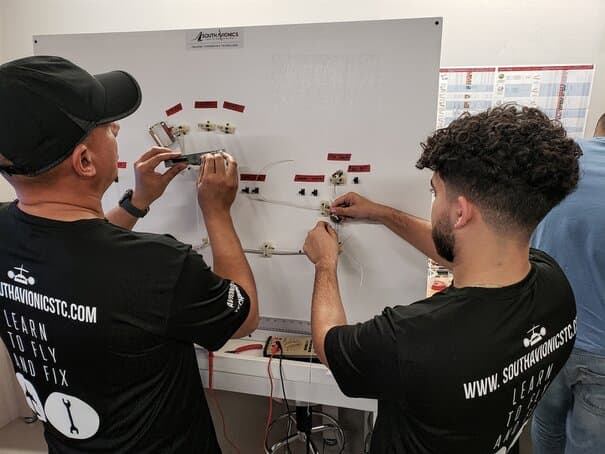
From a Wiring Diagram to the Aircraft
Avionics combines technical knowledge with hands-on skills. Technicians must understand what they see on a wiring diagram and know how to apply that information to an actual aircraft installation or troubleshooting situation.
Where Do Avionics Technicians Work?
An avionics career is much broader than working for an airline. Technicians can build careers throughout aviation, aircraft maintenance, manufacturing and aerospace.
Avionics Shops & Repair Stations
Aircraft avionics installation, upgrades, testing, troubleshooting and repair.
MRO Facilities
Maintenance, repair, overhaul and modification of aircraft and aircraft systems.
Aircraft Manufacturers
Production wiring, avionics installation, testing, integration and aircraft completion.
Business & Corporate Aviation
Avionics installation, maintenance and troubleshooting on business and corporate aircraft.
General Aviation
Work with avionics and electrical systems across a wide variety of aircraft.
Aerospace & Defense
Opportunities involving aircraft electronics, wiring, manufacturing, testing and specialized systems.
Airlines are one possible career path for avionics technicians, but they are not the only path—and they are not necessarily where a new technician will begin. Many technicians build valuable experience with repair stations, MROs, manufacturers, avionics shops, general aviation or business aviation before pursuing additional opportunities.
Avionics Technician vs. Aircraft Mechanic
Both careers are important to aviation, but their primary technical focus is different.
Avionics Technician
Focuses on aircraft electrical and electronic systems, aircraft wiring, navigation, communications, instruments, displays, avionics equipment, testing and troubleshooting.
Aircraft Mechanic / A&P
Works broadly with aircraft mechanical and structural systems, including airframes, engines, flight controls and other aircraft components within the privileges of the mechanic's FAA certificates and ratings.
Build Your Knowledge. Build Your Credentials.
Aircraft Electronics Technician (AET)
The NCATT AET credential demonstrates foundational knowledge in aircraft electronics and can provide a foundation for additional avionics endorsements and continued professional development.
FCC Commercial Radio Operator Licensing
FCC licensing is another credential technicians may pursue, particularly for careers involving aircraft communications and electronic systems.
What Can an Avionics Technician Earn?
Avionics is a skilled technical occupation. Pay varies by experience, employer, location, specialization, shift, overtime and the type of aircraft or operation.
Source: U.S. Bureau of Labor Statistics, Occupational Outlook Handbook and Occupational Employment and Wage Statistics, May 2025 national data. Wage figures are national statistics and do not represent guaranteed starting pay or individual earnings.
Do I Need Previous Aviation Experience?
No previous aviation or avionics experience is required to begin training at South Avionics Training Center. Students can start by developing a foundation in aviation, electricity and electronics before progressing into hands-on avionics training.
Start Building the Skills Used in Avionics.
SATC's Advanced Avionics Technician Program combines aviation and electronics fundamentals with hands-on training designed to help students develop practical avionics skills.

Questions About Becoming an Avionics Technician
What exactly is avionics?
Avionics is the electronic side of aviation. It includes aircraft wiring and electronic systems used for navigation, communications, instrumentation, displays, monitoring and other aircraft functions.
Do avionics technicians work with aircraft wiring?
Yes. Aircraft wiring is an important part of avionics work. Technicians may read wiring diagrams, fabricate wiring harnesses, route and secure wires, install connectors, test circuits and troubleshoot electrical faults.
Do avionics technicians only work for airlines?
No. Avionics technicians work throughout aviation, including avionics shops, repair stations, MRO facilities, aircraft manufacturers, general aviation, business aviation, aerospace and defense. Airlines are one possible career path.
Do I need previous experience?
No previous aviation experience is required to begin SATC's Advanced Avionics Technician Program.
Is avionics the same as being an aircraft mechanic?
No. The careers can work alongside one another, but avionics focuses heavily on aircraft electrical and electronic systems, wiring, navigation, communication, instruments, displays and electronic troubleshooting.
How long is SATC's Advanced Avionics Technician Program?
The program is designed to be completed in approximately six months, depending on the student's schedule and training format.
Could Avionics Be the Career for You?
Learn how aircraft electronic systems work, develop hands-on technical skills and discover career opportunities throughout the aviation industry.